An Ancient Legacy Transmitted Over Millennia
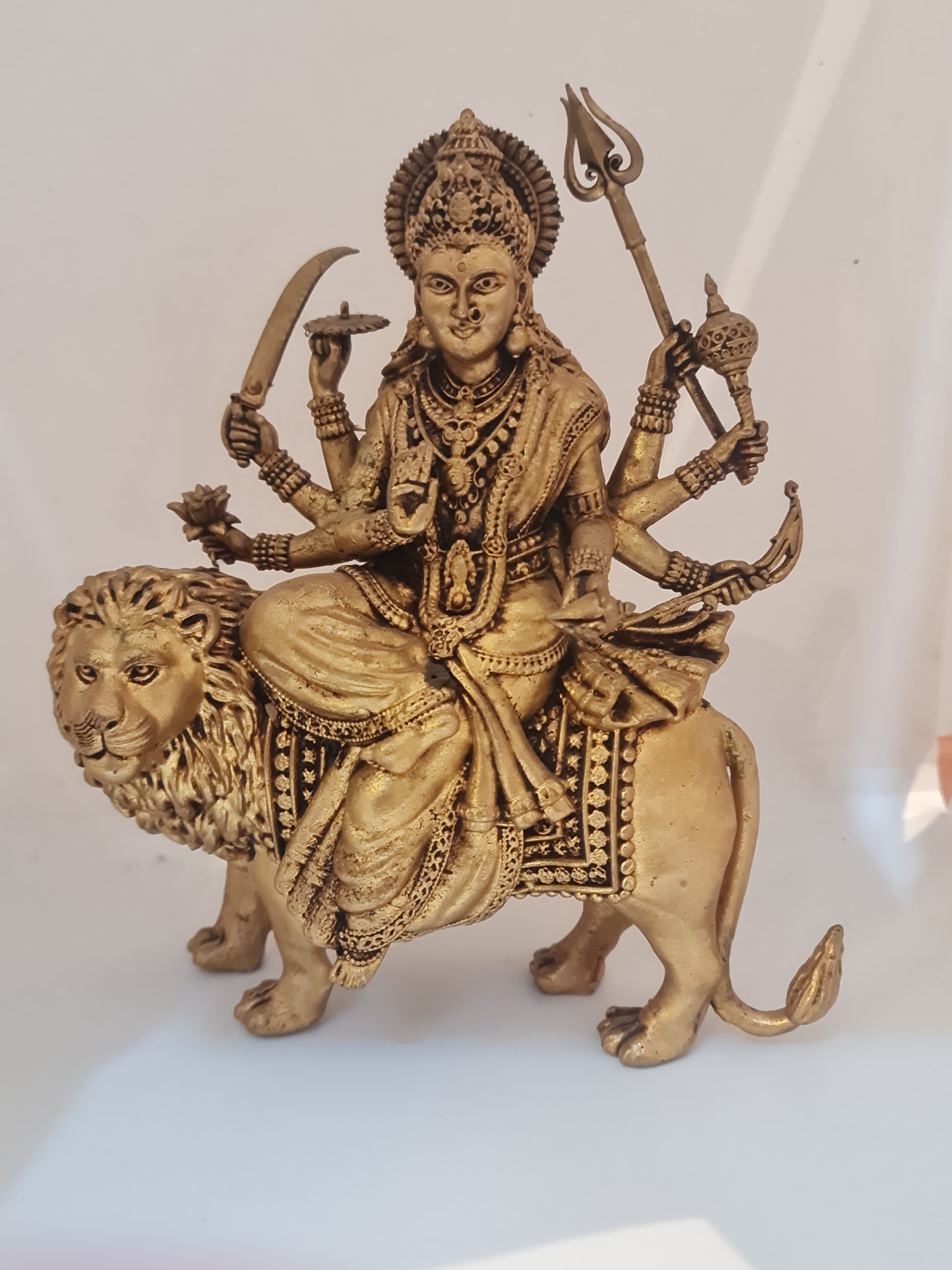
Behind every intricately detailed brass deity lies a profound metallurgical tradition that dates back over 4,500 years. The legendary "Dancing Girl" of Mohenjo-daro, cast during the Indus Valley Civilization, stands as a testament to India's mastery of the lost-wax casting technique—known historically in Sanskrit texts as Madhuchista Vidhana.
Today, this meticulous craft is kept alive by highly skilled, multigenerational artisan families in heritage casting clusters such as Aligarh, Moradabad, and Swamimalai. Each idol is entirely unique, requiring weeks of handcarving and molten metal shaping.
The Multi-Step Craft Process
- The Clay Core: The artisan first sculpts a rough clay model of the deity, providing the inner foundation.
- Wax Layering: The clay model is covered in a layer of pure beeswax mixed with natural resins. The artisan painstakingly carves every fine facial expression, jewelry pattern, and drapery folds directly onto this wax layer.
- The Outer Shell: The detailed wax model is coated with successive layers of fine clay mixed with river silt, forming a solid, hardened outer mold.
- Draining the Wax: The clay mold is heated in a furnace, causing the inner wax model to melt and drain out through a small channel, leaving a hollow cavity that perfectly preserves the negative impression of the wax design.
- Pouring Molten Brass: Liquid brass, melted at temperatures exceeding 1000°C, is poured carefully into the empty clay mold cavity.
- Chiseling and Buffing: Once the metal cools, the clay casing is broken open to reveal the raw brass sculpture. The piece then undergoes detailed hand chiseling, sand buffing, and intricate polishing to create the exquisite antiqued accents.
"Each lost-wax mold is shattered to release the brass sculpture inside, meaning every single finished idol is an unrepeatable masterpiece of human hands."